
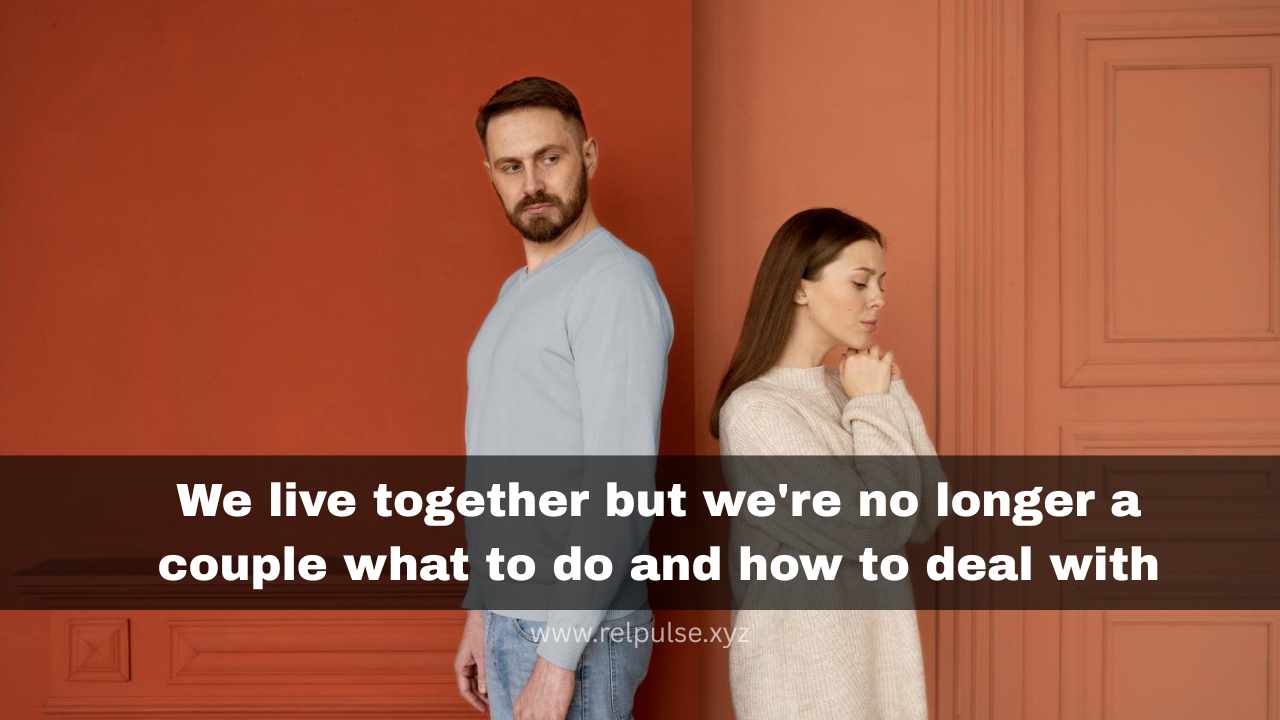
Living with an ex-partner can be one of the most difficult and emotionally draining experiences imaginable. Sharing the same roof after the romantic relationship has ended creates a mix of nostalgia, discomfort, and confusion. Sometimes, the cohabitation continues for financial or family reasons, or out of fear of change, but this situation can become a space filled with silences, tension, and blurred boundaries.
Although many people do it as a temporary solution, continuing to live together after a breakup requires significant emotional maturity and very clear communication. Without agreements or concrete boundaries, cohabitation can reopen wounds, hinder the grieving process, and prolong the suffering.
This article from Psychology-Online will help you understand if it’s possible to live separately in the same house, how living with your ex-partner can affect you emotionally, and what steps to take to navigate this stage without losing your composure or emotional well-being. We’ll also discuss when the right time is to take the step towards physical separation, allowing you to close this chapter respectfully and begin a new phase of personal rebuilding.
Is it possible to live separately in the same house?
Living separately under the same roof is possible, but it’s rarely easy. This situation usually arises when there are financial reasons, shared responsibilities, or a lack of immediate alternatives, and although it may seem like a practical and economical solution, emotionally it can be very difficult.
For it to work, both partners must understand that the romantic relationship is over. Trying to maintain an ambiguous cohabitation, where there’s still physical contact or hope for reconciliation, only prolongs the pain and delays the grieving process. The key is to establish very clear boundaries: separate bedrooms, different schedules, a division of chores, and above all, mutual respect.
It’s also necessary to define how you’ll communicate and what topics you’ll avoid to prevent reopening old conflicts. Living together after a breakup can lead to confusion, jealousy, or discomfort if one of you starts moving on. That’s why honesty and emotional self-care are essential.
In some cases, living together can serve as a transitional phase before a final separation. However, if over time you notice that the situation is holding you back, causing you anxiety, or preventing you from moving forward, it’s a sign that it’s time to take the next step and find your own space.

How does living with your ex affect you emotionally?
Living with your ex-partner is an emotionally complex process because it places you in a situation where the past and present constantly intertwine. Even though the relationship has ended, physical proximity and shared routines can keep the emotional bond alive, making it harder to accept the breakup. Seeing the person you shared a history with every day prevents your mind and heart from processing the loss.
On a psychological level, this cohabitation can generate emotional ambivalence because one part of you knows the relationship is over, but another part remains attached to what it once was. This can cause feelings of sadness, frustration, jealousy, or even guilt. It’s also common to experience confusion or emotional dependence if one of you still hopes for reconciliation.
Living together after a breakup can lead to emotional exhaustion and increased stress, as there is no real space for intimacy to process what happened. Every gesture, silence, or mood swing can reopen wounds that were just beginning to heal.
Therefore, you both must understand that continuing to live under the same roof requires clear boundaries, respect, and emotional distance to prevent cohabitation from becoming a constant source of pain or strain.
How to cope with a separation while living together?
Facing a separation while still sharing a home requires balance, clarity, and a great deal of emotional maturity. Although difficult, it’s essential to accept that the relationship is over and act accordingly. Pretending nothing has changed or maintaining a couple’s dynamics only prolongs the pain and creates more confusion.
- The first step is to establish concrete agreements regarding cohabitation, including schedules, use of shared spaces, division of expenses, and household responsibilities. These boundaries help avoid misunderstandings and reduce daily tension.
- Maintaining respectful communication, without reproaches or unnecessary arguments, is also key to living together without conflict.
- On an emotional level, it’s important to create emotional distance. Avoid seeking comfort from your ex or turning to them to resolve your emotions; lean on friends, family, or even a professional. Allow yourself to feel sadness, anger, or fear, but don’t get stuck in them. Every emotion is part of the process of letting go.
- Take time to reconnect with yourself, resuming activities, routines, and spaces that bring you joy. Nurturing your personal environment and psychological well-being will help you prepare for the final separation.
Living together after a breakup can be temporary, but the healing process starts now, by setting boundaries, accepting reality, and taking care of yourself with respect and patience.

When is the right time to consider physical separation?
Deciding when to take the step towards physical separation is a very personal process, but there are clear signs that indicate the time has come:
- If living together has become tense, uncomfortable, or emotionally painful, and any attempt at communication ends in arguments or silence, it is a sign that the shared space is no longer healthy.
- It’s also worth considering when you notice that you can’t move forward emotionally, that you’re still stuck in the past, or that the constant presence of your ex is preventing you from healing and rebuilding your life.
- If one of the two has started a new relationship, living together becomes even more complicated and can cause feelings of jealousy, discomfort, or disrespect.
- In many cases, what most hinders this decision is economic factors or the fear of loneliness. However, prolonging a harmful relationship ultimately ends up costing you more emotionally.
- The right time to separate physically comes when you value your peace more than habit. Taking that step doesn’t mean breaking up completely; it means allowing both of you to close this chapter with dignity and begin building a new life. Distance, though painful, is sometimes the greatest act of self-love.
This article is for informational purposes only. We are not qualified to make a diagnosis or recommend treatment. We encourage you to consult a psychologist to address your specific situation.
Ready to take the next step in your personal growth? Explore expert services from therapy to life coaching — available on Fiverr.
If you want to read more articles similar to We live together but we’re no longer a couple: what to do and how to deal with it we recommend that you enter our Love life category.