
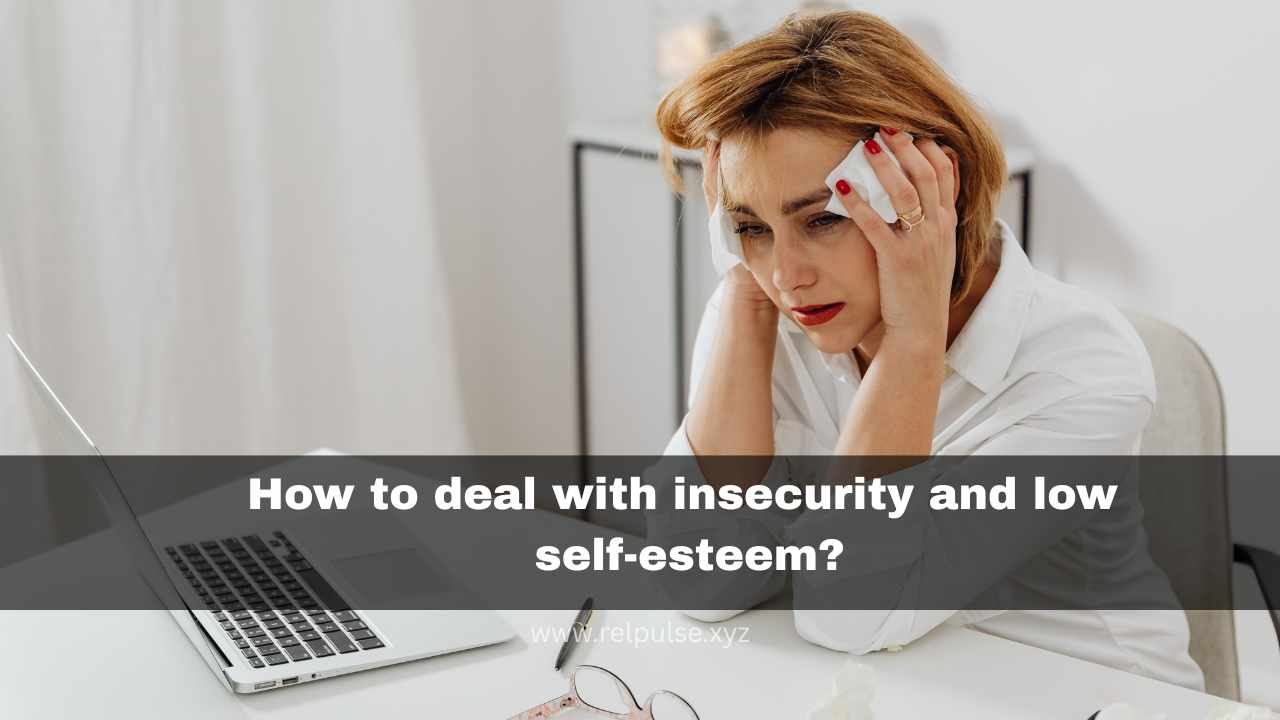
How to deal with insecurity starts with understanding where your feelings come from. Feeling insecure or having low self-esteem can become a silent burden that affects many areas of your life: relationships, work, decisions, and, above all, how you see yourself. Sometimes it’s not noticeable from the outside, but inside you feel like you’re never enough, that you could do better, or that others are worth more than you.
Insecurity doesn’t arise from nothing. It’s built over time, through experiences, messages received, and constant comparisons. Little by little, these negative ideas settle in your mind and begin to guide your emotions and behaviors, generating fear of rejection, perfectionism, or dependence on external approval.
The good news is that if you want to learn how to deal with insecurity, self-esteem can be rebuilt. It’s not about completely eliminating doubts, but about learning to recognize yourself, validate yourself, and treat yourself with the same understanding you offer others.
In this Psychology-Online article, we’ll talk about what insecurity and low self-esteem really are, what their most common causes are, and we’ll give you 10 effective strategies for how to deal with insecurity and regain self-confidence and inner peace. We’ll also see when it’s important to seek professional help to build a more solid and lasting emotional foundation. You may also be interested in:
What are Insecurity and Low Self-Esteem?
Insecurity and low self-esteem are closely related, but they aren’t exactly the same. Insecurity is the feeling of doubt or mistrust toward oneself , the uncertainty of whether you’ll be capable, whether others will like you, or whether you’re doing things right.
Low self-esteem , on the other hand, is a deeper, more persistent perception of one’s own worth . It’s as if, deep down, there’s a belief that you’re not enough, no matter how hard you try.
Both affect how you think, feel, and behave. You might notice this when you constantly compare yourself to others , find it hard to accept compliments, or make decisions based on fear of rejection. Over time, this view of yourself can limit your relationships, work performance, and emotional well-being.
Having moments of insecurity is human, but when self-criticism becomes constant and severe, discomfort begins to set in. Learning to identify that inner voice that judges you is the first step toward changing it. Self-esteem isn’t fixed; it can be rebuilt with patience, self-awareness, and practice until you can see yourself with more understanding and confidence.

Common causes of insecurity and low self-esteem
Insecurity and low self-esteem don’t appear overnight; they usually have roots that develop throughout life. One of the most frequent causes is childhood and adolescent experiences , especially if you grew up in environments where criticism, lack of affection, or constant comparisons prevailed. These experiences leave marks that become internalized beliefs such as “I’m not good enough” or “I have to earn the affection of others . “
Another common cause is perfectionism , that need to do everything perfectly to feel good. Although it seems like a positive motivation, it often masks a fear of failure or rejection . Social media and peer pressure also play a role, showing unrealistic models of success, beauty, or happiness that fuel comparison and dissatisfaction.
Toxic or unbalanced relationships can reinforce insecurity if you have been exposed to manipulation, indifference, or devaluation. Over time, you begin to believe that your worth depends on the approval of others
Understanding where your insecurity comes from isn’t about blaming yourself, but about understanding yourself. Only by acknowledging your wounds can you begin to heal them and build a freer and more authentic self-esteem.
10 Effective Strategies to Deal with Insecurity and Improve Self-Esteem
- Recognize your self-critical thoughts. Start by observing how you talk to yourself. If you discover harsh or derogatory phrases toward yourself, replace them with more realistic and kind messages.
- Accept your imperfections. You don’t have to do everything perfectly. Self-compassion allows you to improve without punishing yourself for every mistake
- Validate your emotions. Feeling fear or insecurity doesn’t make you weak. Listening to what you feel helps you understand yourself instead of judging yourself.
- Remember your accomplishments. Write down what you’ve achieved, no matter how small it may seem. Acknowledging your progress boosts your self-confidence
- Surround yourself with people who value you. Avoid environments where criticism or comparison prevails. Healthy relationships nurture your self-esteem.
- Take care of your body. Sleeping well, eating a balanced diet, and moving regularly improve your energy and mood.
- Learn to say “no.” Setting clear boundaries strengthens your self-respect and prevents emotional overload.
- Avoid comparisons. Everyone has their own process. Comparing yourself only distances you from your authenticity.
- Dare to step outside your comfort zone. Every challenge overcome, no matter how small, increases your sense of capability.
- Seek professional help if you need it. Psychological therapy can help you dismantle negative beliefs and build a solid foundation of self-esteem.
In the following article, you can see more tips for improving self-esteem .

When to seek professional help for low self-esteem?
Working on your self-esteem on your own can be a very enriching process, but there are times when seeking professional help becomes necessary. If you feel that, despite your efforts, you are still trapped in negative thoughts about yourself , or if insecurity interferes with your relationships, your work, or your emotional well-being, it is important to take that step.
You should also consider seeing a psychologist if you experience anxiety, persistent sadness, or constant fear of not being good enough . These symptoms often accompany low self-esteem and can improve significantly with therapy.
Professional support will enable you to understand where your limiting beliefs come from and learn specific tools to transform them. Through the therapeutic process, you will be able to reconnect with your worth, develop self-compassion, and strengthen your confidence in a real and lasting way.
Asking for help doesn’t mean you can’t do it alone; it means you are choosing to take care of yourself . Sometimes, having someone listen to you without judgment and guide you objectively makes the difference between surviving and starting to live with more calm, security, and well-being.
Conclusion
Learning how to deal with insecurity and low self-esteem is a gradual process, not an overnight transformation. By understanding the root of your self-doubt, challenging negative thoughts, and practicing daily self-compassion, you can rebuild your confidence from the inside out. True self-esteem comes from knowing your value, setting healthy boundaries, and choosing environments that support your growth. With patience, awareness, and the right tools, you can break free from insecurity and step into a stronger, healthier version of yourself.
Ready to take the next step in your personal growth? Explore expert services from therapy to life coaching — available on Fiverr.
If you want to read more articles similar to How to deal with insecurity and low self-esteem? we recommend that you enter our Love life category.
FAQs
1. What causes insecurity and low self-esteem?
Insecurity often comes from past experiences, criticism, childhood dynamics, trauma, comparison, or feeling unsupported. Over time, these shape your self-worth and confidence.
2. How do I know if my insecurity is affecting my relationships?
You may experience jealousy, overthinking, fear of abandonment, or a constant need for reassurance signs that insecurity is influencing how you connect with others.
3. Can insecurity be completely cured?
While insecurity may not disappear entirely, it can be significantly reduced. With therapy, self-awareness, and healthy habits, you can gain strong emotional stability.
4. What are quick ways to boost self-esteem?
Practicing self-compassion, affirmations, setting small achievable goals, and reducing negative self-talk are effective ways to boost self-esteem quickly.
5. Should I seek professional help for low self-esteem?
Yes, if your insecurity affects daily life, relationships, or mental health. Therapists help identify root causes and teach long-term tools for healing.