

Love, closeness, and connection are the foundations of a strong relationship. Intimacy gives couples the ability to share emotions, express care, and feel deeply understood. It creates trust and strengthens bonds in ways that make love long-lasting. But, just like anything in life, balance is key. When there is too much intimacy, the relationship can slowly begin to shift in unhealthy directions.
While most people focus on the problems of too little intimacy, the opposite extreme can also bring challenges. Too much intimacy often makes partners lose their independence, feel overwhelmed, or even begin to drift apart emotionally despite being physically close. Understanding these effects can help couples maintain both closeness and individuality, which are equally important for long-term happiness.
Below are 9 things that commonly happen when intimacy goes beyond a healthy limit.
1. You Start Losing Your Independence
When intimacy is overdone, it can cause you to lose your personal identity. If every choice big or small is tied to your partner, you may stop recognizing your own desires and goals. Over time, people who experience too much intimacy may forget what it feels like to enjoy hobbies, achievements, or even downtime on their own.
This loss of independence can create silent resentment. Even if you love your partner, part of you will begin to miss the freedom of making decisions without considering someone else every step of the way.
2. Personal Space Disappears
Everyone needs their own breathing room, even in the happiest relationships. However, with too much intimacy, personal space starts to vanish. The couple may feel like they must spend every free moment together, making it difficult to relax individually.
For example, you may feel guilty for wanting a night alone to watch your favorite show or spend time with friends. But denying yourself personal space can actually harm the relationship more than help it, as it creates emotional pressure instead of relief.
3. Small Arguments Increase
When intimacy crosses into overdependence, partners spend so much time together that they start to notice every little detail. Things that once seemed cute like leaving socks on the floor can suddenly feel annoying or unbearable.
That’s why too much intimacy often leads to more arguments. Constant closeness magnifies tiny differences and leaves little room for cooling off. Without healthy space, minor conflicts can quickly spiral into unnecessary fights.
4. The Mystery Fades Away
A little bit of mystery is what keeps relationships exciting. When couples share every detail of their lives without leaving anything for curiosity, the spark may begin to fade. Too much intimacy makes everything predictable—what your partner will say, how they’ll react, or what they’ll want for dinner.
This familiarity can turn comfort into boredom. Maintaining some level of individuality keeps attraction alive and ensures that each partner continues to learn new things about the other over time.
5. Emotional Pressure Builds
Emotional intimacy is essential, but when it becomes excessive, one partner may start feeling drained. If your partner expects you to constantly be their source of comfort, advice, and reassurance, it can create emotional overload.
This is one of the hidden downsides of too much intimacy the pressure to always be “on call” emotionally. Instead of feeling like a safe space, the relationship may start feeling like a full-time job. Balance allows love to feel natural, not forced.
6. Other Relationships Suffer
Healthy couples make time for family, friends, and social activities outside of their relationship. But when all your focus goes to one person, other relationships begin to suffer. Friends may feel neglected, and family connections may weaken.
Spending time apart doesn’t mean you love your partner any less it simply creates variety and balance in your life. Without this balance, too much intimacy can leave you feeling isolated from the world outside your relationship.
7. You May Feel Claustrophobic
Closeness is supposed to feel safe and warm. But when it becomes overwhelming, it can feel like you’re trapped. This claustrophobic feeling often appears when one partner feels like they cannot breathe, make decisions, or act freely without the other person’s involvement.
In these cases, too much intimacy transforms love into a kind of invisible cage. You may love your partner dearly but still crave space to move, think, and live without constant supervision or connection.
8. Attraction May Decrease
Attraction often thrives on a balance of closeness and space. When couples are always together, the line between romantic passion and friendship can blur. Instead of seeing your partner as exciting, you may start viewing them more like a roommate.
This is why too much intimacy can unintentionally reduce desire. Allowing space for individuality, mystery, and independence can actually reignite the flame, making time together more passionate and meaningful.
9. Growth Becomes Slower
Personal growth happens when individuals explore the world, face challenges, and discover themselves. In relationships with too much intimacy, personal development often slows down. Because both partners rely heavily on each other, opportunities for growth may be limited.
Over time, this can create frustration. A healthy relationship should encourage both partners to become the best version of themselves, not keep them stuck in the same patterns. Balance between togetherness and independence is the secret to growth that strengthens love.
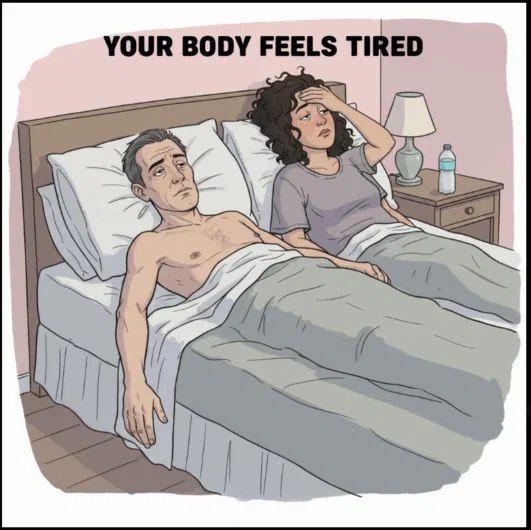
Conclusion
Intimacy is one of the greatest gifts of love, but it must be balanced with independence and personal freedom. When there is too much intimacy, couples risk losing their individuality, experiencing unnecessary conflict, and even reducing attraction.
By recognizing these signs early, partners can create a healthier relationship where closeness and space work together. True love doesn’t mean being together every moment it means supporting each other while also growing as individuals.
Ready to take the next step in your personal growth? Explore expert services from therapy to life coaching — available on Fiverr.
Build a better mindset in just 5 minutes a day with this bestselling guided journal (The 5 Minute Journal) — available on Amazon.
If you want to read more articles similar to 9 Things That Happen When You Have Too Much Intimacy
we recommend that you enter our Love life category.
FAQs
1. Can too much intimacy damage a relationship?
Yes. It can create pressure, reduce passion, and make partners feel trapped or overwhelmed.
2. How do I know if there’s too much intimacy in my relationship?
Signs include loss of independence, frequent arguments, or feeling like you have no personal space.
3. Is wanting space from my partner a bad thing?
Not at all. Healthy space strengthens relationships by keeping individuality alive.
4. Can too much intimacy lower attraction?
Yes. Without balance, attraction can fade because mystery and excitement are lost.
5. How can couples balance intimacy and independence?
By spending quality time together while also respecting personal space, friendships, and hobbies.