
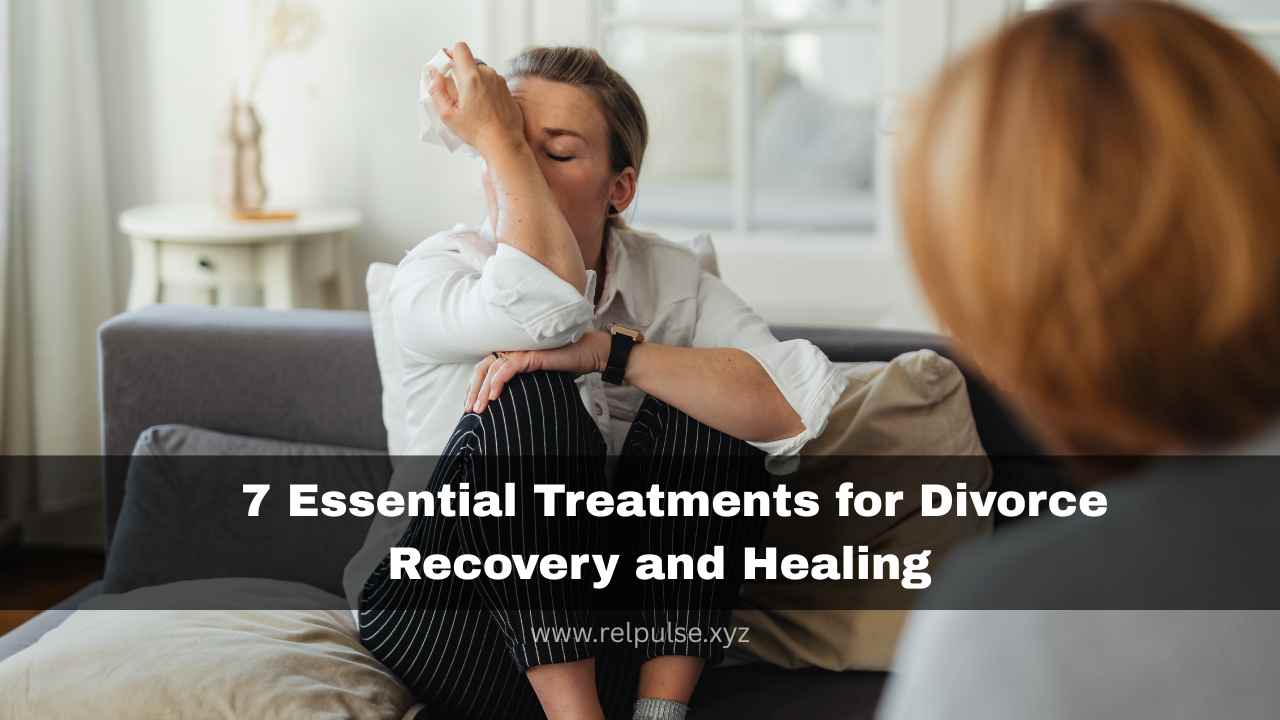
Divorce is more than a legal event; it is a profound emotional and psychological trauma. Ending a marriage represents the death of shared dreams, routines, and sometimes, the loss of your personal identity. Because of this, effective treatment for divorce requires intentional effort, emotional processing, and the adoption of practical recovery strategies.
Recovery from divorce is not linear it requires a combination of professional, community, and self-directed treatments to regain stability, rebuild confidence, and heal emotionally. In this guide, we explore the 7 essential treatments for divorce, emphasizing practical steps for long-term healing.
Professional Therapeutic Treatments
Professional therapy is often the cornerstone of effective treatment for divorce. A trained therapist provides guidance, emotional support, and structured interventions that help you navigate grief and loss.
1. Individual Therapy (Processing Grief and Trauma)
The most foundational treatment for divorce is personal therapy. Working with a licensed therapist allows you to process grief, identify unhealthy patterns, and navigate complex emotions like guilt, anger, and betrayal.
Focus Areas:
- Managing the five stages of grief: denial, anger, bargaining, depression, and acceptance.
- Addressing guilt or self-blame associated with marital failure.
- Exploring past attachment issues that may have contributed to marital breakdown.
Therapy Techniques: Cognitive Behavioral Therapy (CBT) is effective for managing anxiety and negative self-talk, while psychodynamic therapy helps explore unconscious patterns from previous relationships.
2. Post-Divorce Co-Parenting Counseling
For parents, one of the most critical treatments for divorce is co-parenting counseling. This type of therapy focuses on creating a functional, respectful parenting partnership despite the marital separation.
Focus Areas:
- Developing clear communication guidelines with your ex.
- Creating consistent rules and routines across households.
- Shielding children from adult conflicts.
This treatment helps minimize long-term emotional damage for children while maintaining a healthy post-divorce dynamic.
3. Financial and Legal Counseling
Financial stress is one of the leading causes of post-divorce anxiety. Consulting a financial advisor or mediator is a practical treatment for divorce to regain control and reduce stress.
Focus Areas:
- Understanding the financial implications of divorce settlements.
- Planning budgets and investments for post-divorce life.
- Creating financial independence and stability to reduce overall anxiety.
Part 2: Community and Group Support
Recovery is easier when you realize you are not alone. Social support and group engagement are vital treatments for divorce.
4. Divorce Support Groups
Isolation can prolong the emotional pain of divorce. Joining a support group helps individuals share experiences, gain validation, and witness the recovery of others.
Focus Areas:
- Sharing personal stories and struggles.
- Receiving empathy and emotional validation.
- Observing strategies others have used to rebuild their lives.
Examples: Programs like DivorceCare offer structured, faith-based support, while local counseling centers provide peer-led groups.

5. Re-establishing and Nurturing Friendships
Divorce often disrupts existing social networks. Actively rebuilding or nurturing friendships is another effective treatment for divorce.
Focus Areas:
- Reconnecting with supportive friends or family members.
- Meeting new people aligned with your post-divorce identity.
- Prioritizing social engagement to counter feelings of loneliness and depression.
Social connections are crucial for emotional resilience and help rebuild a sense of belonging.
Part 3: Self-Directed Behavioral Treatments
Personal actions and lifestyle adjustments are powerful treatments for divorce. Daily routines and self-care practices help reclaim independence and personal identity.
6. Conscious Identity Reconstruction
Marriage can blur personal identity. One critical treatment for divorce is discovering and embracing your new, post-divorce self.
Focus Areas:
- Re-exploring hobbies, interests, and passions neglected during marriage.
- Enrolling in classes, volunteering, or joining clubs to expand social circles.
- Reinforcing self-worth through small achievements and personal growth.
Every step you take toward independence strengthens emotional resilience and creates a foundation for future relationships.
7. Enforcing Firm, Compassionate Boundaries
Setting boundaries is a fundamental treatment for divorce that protects your emotional health. Boundaries are not about punishment—they are about preserving peace and fostering self-compassion.
Focus Areas:
- Defining clear communication rules with your ex (texting only about children, legal matters, etc.).
- Limiting exposure to toxic influences or manipulative family members.
- Using social media boundaries to maintain focus on personal healing.
Compassionate boundaries ensure that your recovery is protected from external disruptions and emotional setbacks.
Additional Treatments for Divorce Recovery
Beyond the main seven treatments, there are additional strategies that complement professional therapy and social support:
- Mindfulness and Meditation – Helps manage anxiety and emotional reactivity post-divorce.
- Journaling – A daily journaling habit allows processing emotions and tracking personal growth.
- Physical Exercise – Regular movement improves mood, reduces stress, and reinforces self-discipline.
- Creative Outlets – Art, music, or writing provide emotional release and foster self-expression.
- Spiritual or Faith Practices – For some, prayer, meditation, or community faith involvement provides comfort and guidance.
Incorporating these activities alongside professional and social treatments creates a holistic treatment for divorce plan.
Conclusion: Divorce Recovery is a Multi-Faceted Journey
Divorce recovery is not about rushing the process. It is about embracing treatment for divorce strategies that focus on emotional, social, and behavioral healing. Recovery involves:
- Processing grief through professional therapy.
- Rebuilding your social network and nurturing friendships.
- Establishing personal identity and boundaries.
- Engaging in self-care, mindfulness, and emotional growth.
By consistently applying these strategies, you move from merely surviving divorce to thriving as an independent, emotionally resilient individual.
Ready to take the next step in your personal growth? Explore expert services from therapy to life coaching — available on Fiverr.
If you want to read more articles similar to 7 Essential Treatments for Divorce Recovery and Healing we recommend that you enter our Love life category.
FAQs
1. How long does divorce recovery usually take?
Divorce recovery timelines vary. Many experts suggest 18 months to 3 years for emotional stability, identity reconstruction, and consistent post-divorce self-confidence.
2. Is therapy essential for divorce recovery?
While some individuals recover independently, professional therapy is highly recommended as it provides structured guidance, emotional processing, and expert coping strategies.
3. Can children be part of the treatment for divorce recovery?
Yes. Co-parenting counseling ensures children remain shielded from conflict, helping them adjust while adults work on healing. Healthy communication strategies prevent long-term emotional harm.
4. When is it appropriate to start dating again?
Dating should begin only after emotional independence is established. Engaging in relationships too early may interfere with personal healing or repeat patterns from the prior marriage.
5. Can support groups replace professional treatment?
Support groups complement but do not replace therapy. They provide validation and social connection but may lack personalized strategies for deep emotional healing.